
Foot and ankle fractures
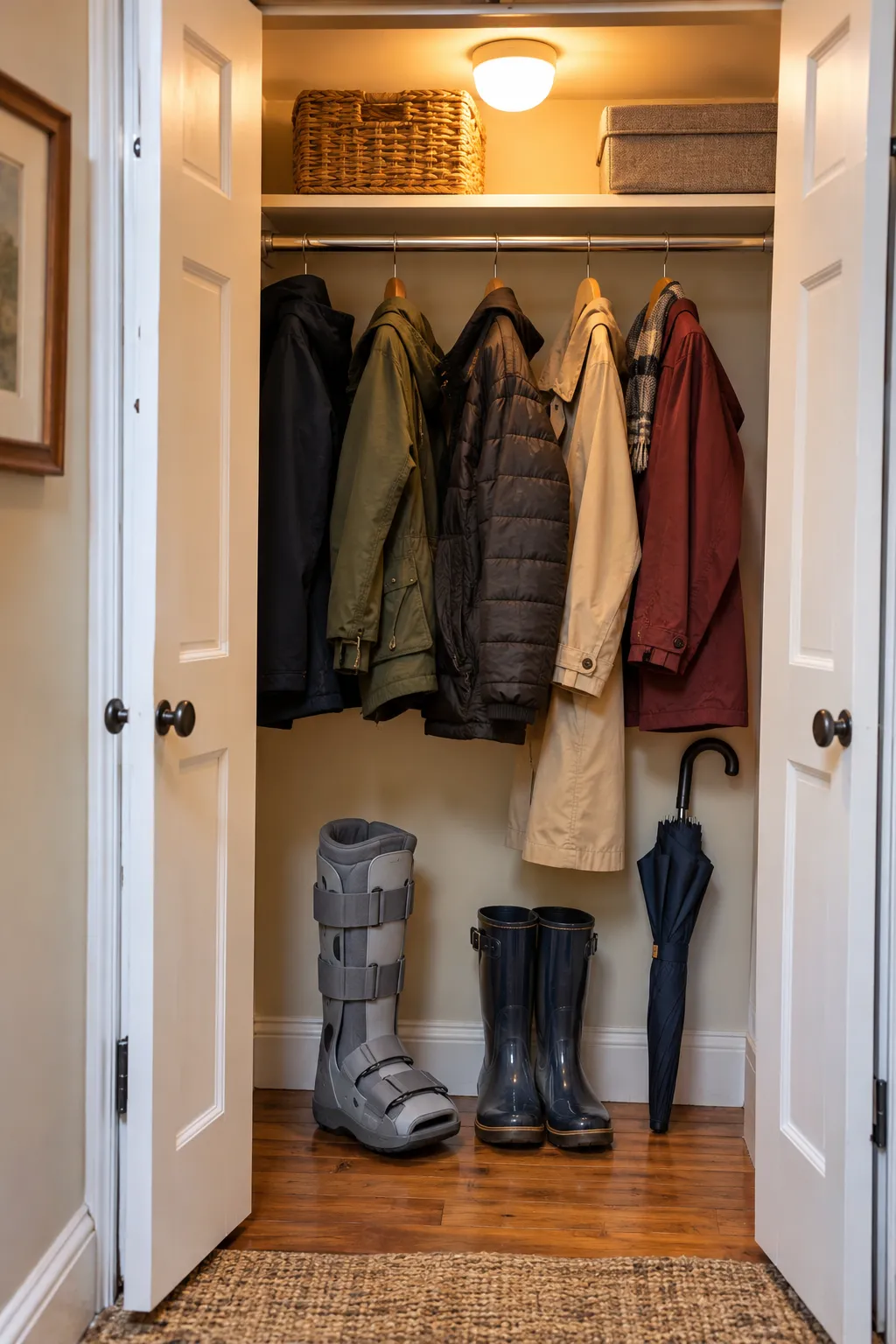
A cast comes off or a walking boot goes back in the closet, and the fracture looks finished. This page is written for the stage that follows, when the question shifts from "is it broken" to "is it holding." Six questions about broken bones in the foot and ankle are collected here, each with the follow-up point it covers.
Questions that start after the cast comes off
Work through them in the order a reader usually meets them.
- When the injury is new and you are unsure, start with the signs of a broken foot.
- If the break is a toe, how a broken toe is treated and checked afterward sets the expectations.
- If pain continues while you stay on your feet, whether you can walk on a stress fracture addresses the weight-bearing question.
- Runners can read why metatarsal stress fractures show up in running to see how training history enters the picture.
- A separate page explains what a Jones fracture is.
- Parents tracking a growing child's ankle can see how ankle fractures in children are different.
What the bone itself and the timing tell you
The AAOS OrthoInfo page on ankle fractures in children defines the injury this way: "This fracture involves a break in one or more of the bones that make up the ankle: the tibia (shinbone), fibula (outside ankle bone), and talus (small bone in the back part of the foot)."
Timing matters as well as location. The Hospital for Special Surgery states: "An ankle stress fracture usually occurs some time after a person begins a new activity that involves significant impact of the foot, such as hiking, running or field sports." That delay makes recent changes to a routine part of the story, alongside the break itself.
Reading further on treatment choices
Treatment is not identical for every age or every break. For older patients, an NIH PMC article on managing geriatric ankle fractures covers that group. A separate NIH PMC meta-analysis asks whether a removable brace can stand in for cast immobilization after an ankle fracture, using randomized controlled trials. For younger patients, the AAOS OrthoInfo page on ankle fractures in children is the matching reference.
A note on maintenance
Plan for upkeep the way you plan for treatment. Before you leave the last visit, ask what the bone should be able to handle by when, which activities to add back and in what order, and what pain or swelling should prompt a call. Readers in Darien, Downers Grove Township and the wider Chicago area can use the same three questions at any fracture follow-up.