
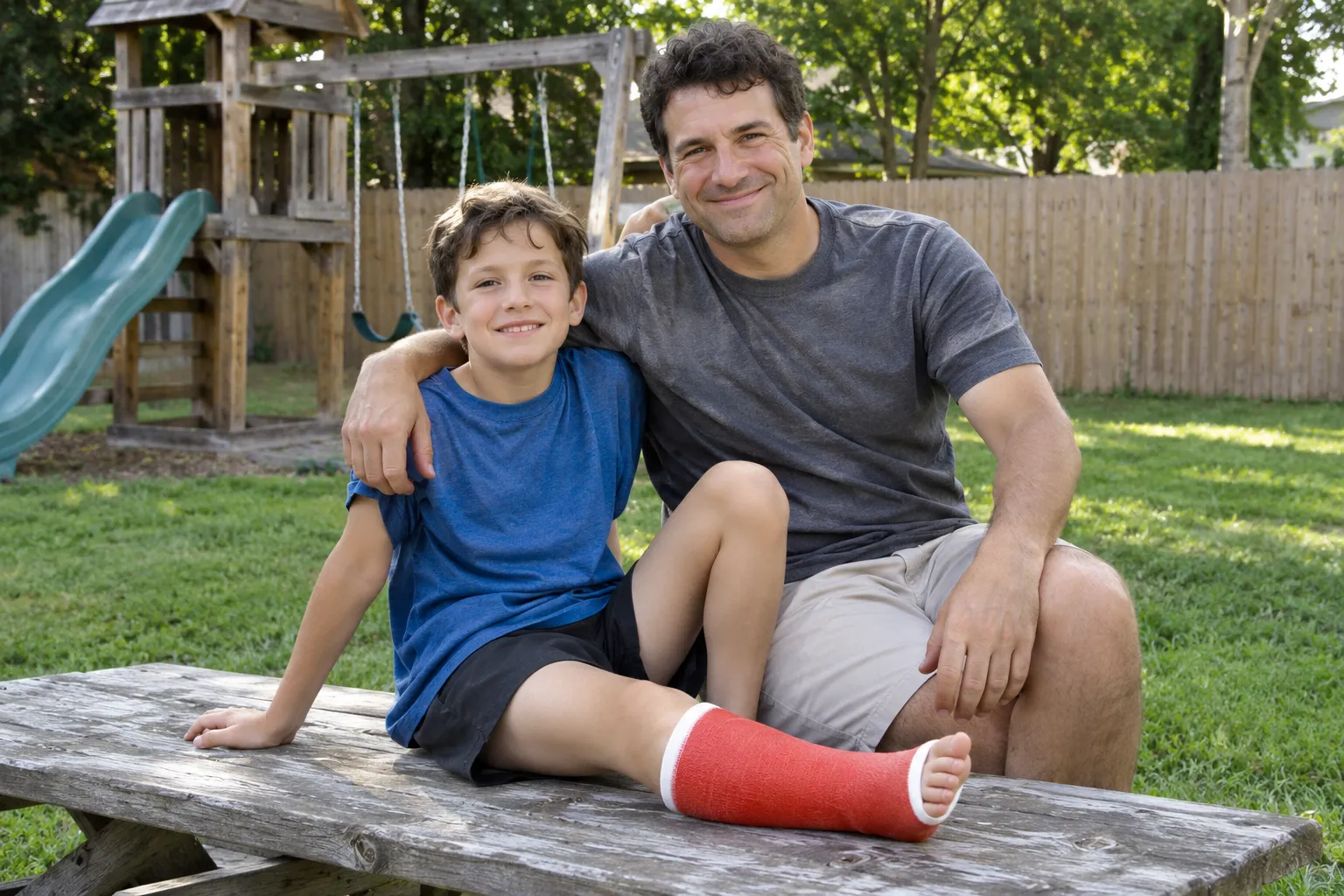
When a child breaks an ankle, the first question is often whether it is the same injury an adult would have. This page answers from the one difference the sources name and then turns to what follow-up to expect.
The direct answer
The difference sits in the bone. AAOS OrthoInfo describes it plainly: "Ankle fractures in children and adolescents usually occur in the tibia or fibula and typically involve the growth plates." The sentence names the tibia and fibula, and it names the growth plates as the part that typically comes into it.
What keeps the result holding
The sentence points to one thing that matters for how a result holds: the growth plates are typically involved. Any plan for a child's ankle should account for that detail and name who is watching it afterward.
What to plan next
For a family in Darien, the practical step is a direct question to the treating clinician. Ask what follow-up is planned, for how long, and what would change it. Write the answers down so they are available at each later visit.
For contrast with older patients, NIH PMC hosts a paper on management of geriatric ankle fractures. A separate meta-analysis of randomized trials on removable braces versus cast immobilization for ankle fractures is a second reference to keep with those notes.
Follow-up that tracks a child's growth
A fracture is not only a bone to mend. For a child, the follow-up schedule is part of the cost of getting a good result, so ask for it early and keep it.